Tagwood: A Font for Rustic Elegance
It was a Tuesday morning, and I found myself staring at a stack of bakery boxes that needed a fresh look. The labels were outdated, the font too generic, and the whole thing felt like it wasn’t doing the brand justice. That’s when I remembered Tagwood—a display font with a Victorian roughness that felt just right for a small business wanting to stand out without losing its charm.
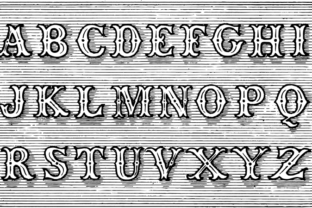
Tagwood is a display font inspired by the rough and rustic wood types of the Victorian era. It has a handcrafted feel, with subtle imperfections that give it character and warmth. This isn’t a font for everyday body text; it’s meant for headlines, logos, and other eye-catching elements where style matters most.
What makes Tagwood special is how it balances rustic appeal with readability. Even though it has a vintage vibe, it doesn’t sacrifice clarity. That’s important when using it on product labels or packaging, where customers need to quickly understand what they’re buying.
I tested Tagwood on a few real-world projects. For a local candle seller, I used it on label designs. The font gave the labels a handmade quality that matched the artisanal nature of the products. It worked especially well for the product names, adding a sense of authenticity that made the candles feel more personal.
Another project involved a café menu. The owner wanted something that felt welcoming but still professional. Tagwood fit perfectly as a headline font for each section—like "Beverages" or "Pastries." It added a touch of elegance without being too formal, which helped maintain the café’s cozy atmosphere.
For a skincare brand, I paired Tagwood with a clean sans serif font for the product descriptions. The contrast was striking. The bold, decorative Tagwood headlines caught attention, while the simpler font kept the rest of the information easy to read. This combination worked well for both print and digital formats, from product packaging to social media posts.
When it comes to logo design, Tagwood can be a strong choice. Its unique shape and texture make it memorable, which is crucial for branding. However, it’s best used in conjunction with other fonts for supporting text. A logo that’s too ornate can be hard to scale or use across different platforms, so keeping it simple with Tagwood as the main element often works best.
One thing to keep in mind is that Tagwood isn’t ideal for long blocks of text. It’s a display font, not a body font. That means it’s best reserved for short phrases, headlines, or decorative accents. If you’re planning to use it on a website or app, consider using it sparingly for headings or call-to-action buttons rather than for paragraphs of content.
For businesses looking to build a consistent brand identity, Tagwood can be a valuable tool. It helps create visual continuity across different materials, from packaging to social media graphics. When used consistently, it reinforces brand recognition and helps customers remember your business more easily.
Typography plays a big role in how a business is perceived. A well-chosen font can make a brand feel more trustworthy, polished, and professional. Tagwood adds a layer of personality that can help small businesses stand out in a crowded market. It’s not just about looking good—it’s about creating an emotional connection with customers.
When working with Tagwood, it’s also worth exploring its different weights and styles. Some versions include alternates and ligatures that can add even more character. These details can make a big difference when designing for high-impact visuals like banners, stickers, or promotional materials.
Before using Tagwood on any commercial project, check the licensing terms. Make sure it’s suitable for your intended use, whether it’s for print, digital, or client work. Some fonts have restrictions on how they can be used, so it’s always good to double-check.
Overall, Tagwood is a great option for small businesses looking to add a touch of vintage flair to their branding. It’s versatile enough to work in a variety of contexts, from product labels to social media templates. And while it has a rustic aesthetic, it never feels cheap or unprofessional. Instead, it brings a sense of authenticity and craftsmanship that can resonate with customers.
If you’re looking for a font that can elevate your brand without overwhelming it, Tagwood is definitely worth considering. It’s a rare blend of character and clarity that can help your business stand out in a meaningful way.